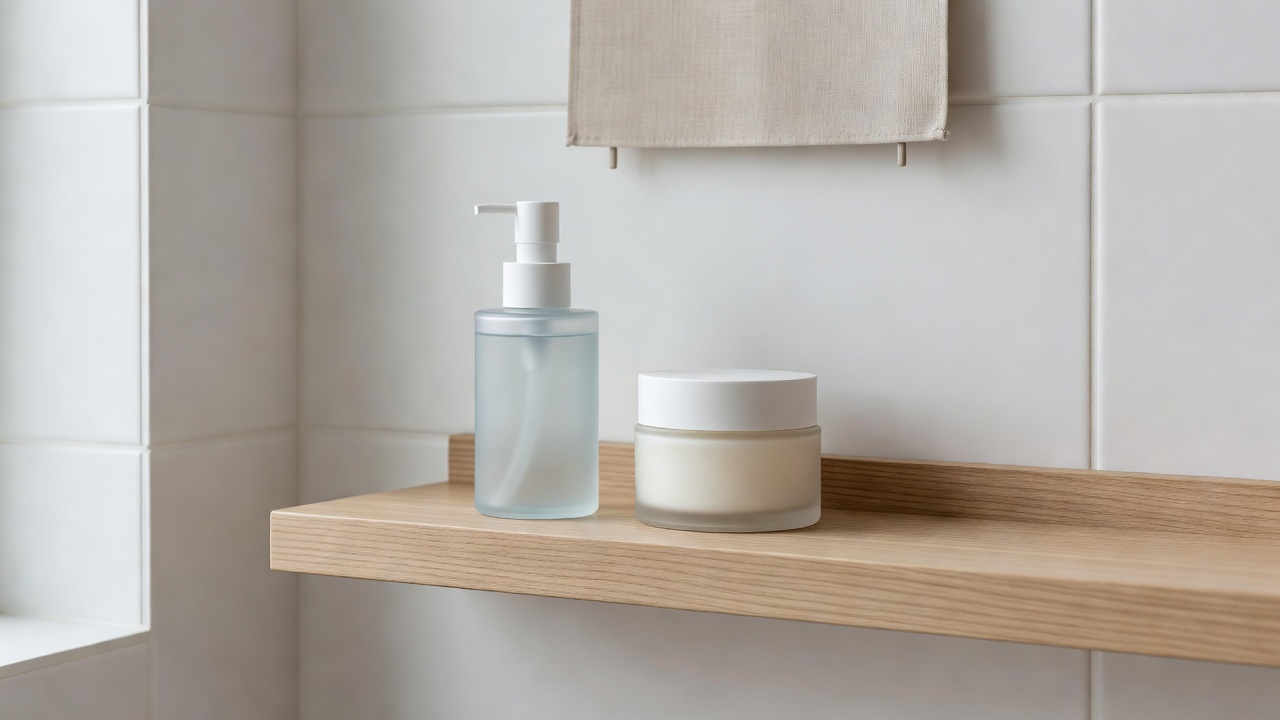
The core routine stays. The textures, timing and extras shift a little with the weather.
Often the only seasonal change you need is a lighter or richer moisturiser.
People often think a new season means a new routine. Usually it does not. Skin responds to three main things that change through the year: ultraviolet levels, humidity and temperature. Adjust for those, one step at a time, and keep everything else familiar.
Watch the UV index, not the thermometer
The UV index, a scale standardised by the World Health Organization, tells you how strong the sun's ultraviolet radiation is on a given day. At 3 or above, sun protection is recommended. The catch: UV peaks around the summer solstice in June in the Northern Hemisphere, well before the hottest weeks. A cool, breezy April day can carry a surprisingly high UV index. Weather apps and national services such as the UK Met Office publish daily forecasts.
Spring · March to May
UV rises quickly. Recommit to daily SPF 30+, including hands and neck. Allergy season can make skin reactive, so keep new products to a minimum.
Summer · June to August
Switch to lighter gels, reapply sunscreen every two hours outdoors, rinse off sweat and chlorine. Ease off exfoliants after a lot of sun.
Autumn · September to November
Lower UV makes this a kind moment to start a retinoid or address sun-related dark spots. Begin adding a slightly richer night cream.
Winter · December to February
Indoor heating and cold wind dry skin out. Use cream cleansers, a barrier-supporting moisturiser, lip balm and lukewarm water. Keep SPF for daylight hours, especially on snow.
Change one product per season, not five. Your skin will thank you for the calm.
Summer in more detail
Heat and humidity make heavy creams feel greasy, so a gel moisturiser or a moisturising sunscreen may be all you need in the morning. Sweat and sunscreen together can clog pores, which makes a thorough evening cleanse even more useful. On beach days, choose a water-resistant sunscreen; in the EU and US, labels state how long water resistance has been tested, typically 40 or 80 minutes. Shade, a wide-brimmed hat and sunglasses do a lot of the work too.
Winter in more detail
Cold air holds less moisture, and central heating lowers indoor humidity further. That combination increases water loss through the skin. Swap a foaming cleanser for a cream one, and look for moisturisers with ceramides, glycerin or petrolatum. A small humidifier in the bedroom can help. Snow reflects a large portion of UV light, so skiers and winter hikers still need sunscreen, sometimes more than in summer.
Travel and sudden climate changes
Flights are famously dry, often with cabin humidity well below what skin is used to. Pack a travel-size moisturiser and skip actives the night before and after a long trip. Moving between a humid and a dry climate? Adjust your moisturiser texture first and leave the rest of your routine as it is.
A quick seasonal checklist
Check your sunscreen has not passed its expiry date.
Decide if your moisturiser texture still feels comfortable.
Review how often you exfoliate.
Notice any new patches of dryness, redness or breakouts.
Questions about your own climate? Our FAQ covers common ones, and you can always write to us.